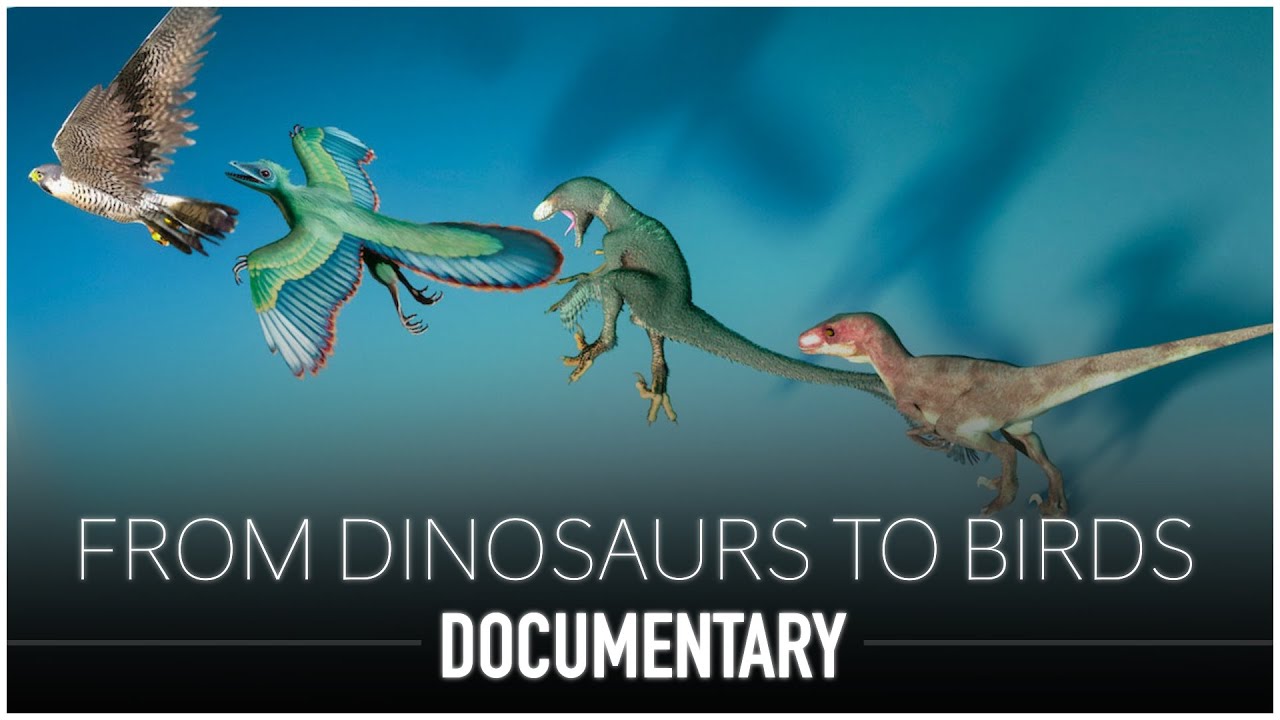

To know the mighty works of God, to comprehend His wisdom and majesty and power; to appreciate, in degree, the wonderful workings of His laws, surely all this must be a pleasing and acceptable mode of worship to the Most High, to whom ignorance cannot be more grateful than knowledge
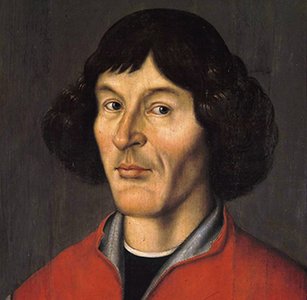
The more I study nature, the more I stand amazed at the work of the Creator. Science brings men nearer to God.
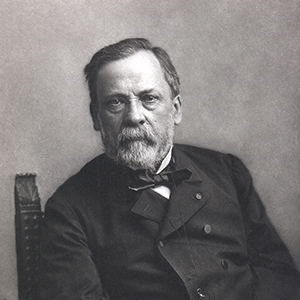
Yet even in earthly matters I believe that ‘the invisible things of Him from the creation of the world are clearly seen, being understood by the things that are made, even His eternal power and Godhead,’ and I have never seen anything incompatible between those things of man which can be known by the spirit of man which is within him, and those higher things concerning his future, which he cannot know by that spirit.
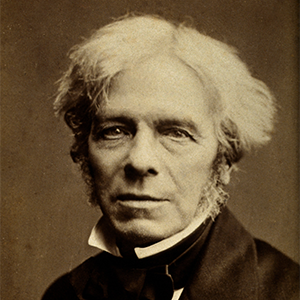
As I try to discern the origin of that conviction, I seem to find it in a basic notion . . . enunciated first in the Western world by the ancient Hebrews: namely, that the universe is governed by a single God, and is not the product of the whims of many gods, each governing his own province according to his own laws. This monotheistic view seems to be the historical foundation for modern science .
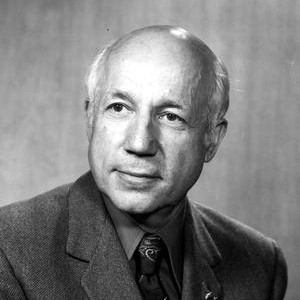
Those laws [of nature] are within the grasp of the human mind; God wanted us to recognize them by creating us after his own image so that we could share in his own thoughts.
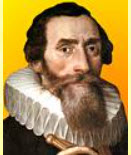
As we conquer peak after peak we see in front of us regions full of interest and beauty, but we do not see our goal, we do not see the horizon; in the distance tower still higher peaks, which will yield to those who ascend them still wider prospects, and deepen the feeling, the truth of which is emphasized by every advance in science, that ‘Great are the Works of the Lord'.
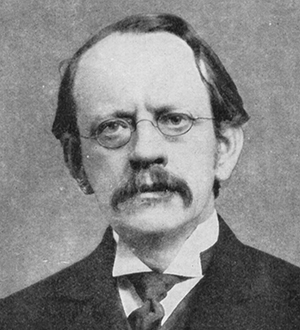
The best data we have (concerning the Big Bang) are exactly what I would have predicted, had I nothing to go on but the five books of Moses, the Psalms, the Bible as a whole.
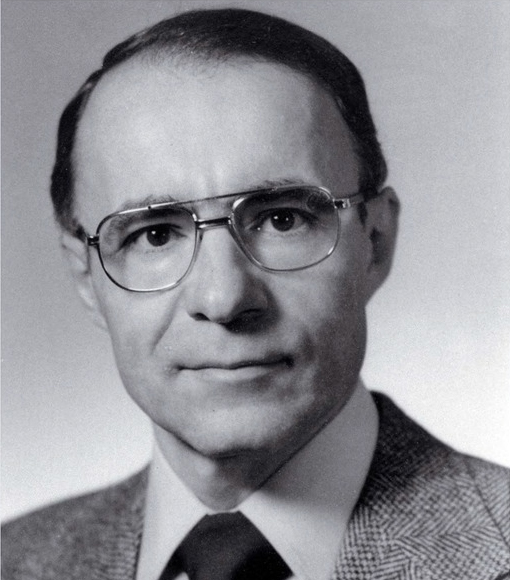
The resurrection of Jesus, which transformed completely the thought and the lives of those who witnessed it, testified to me that the Holy Spirit that searches an open heart has the power and the love to free us from conformity and transform us by the renewing of our mind.
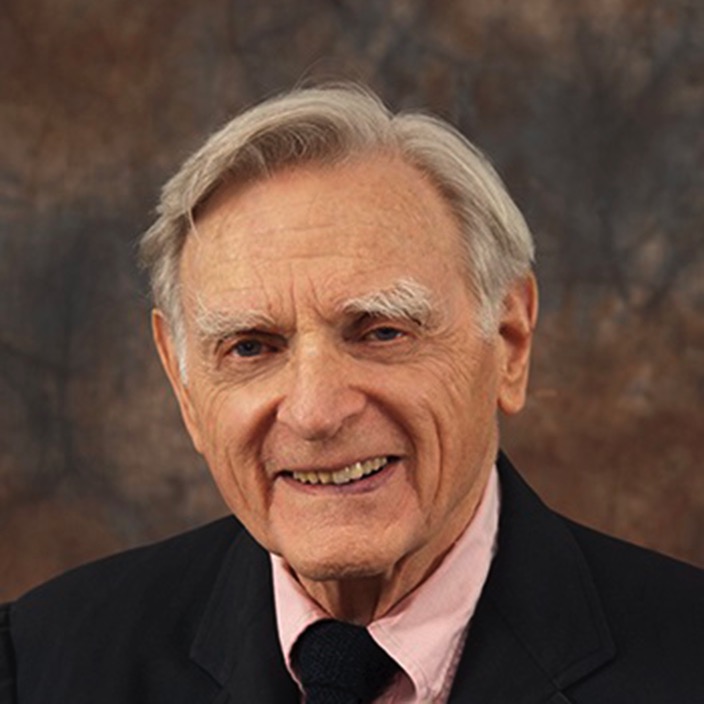
It is evident that an acquaintance with natural laws means no less than an acquaintance with the mind of God therein expressed.
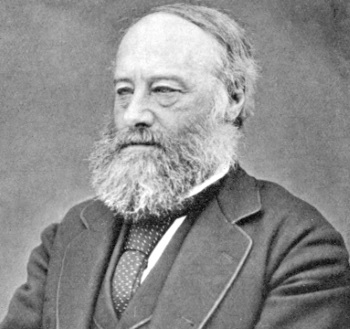
Faith is necessary for the scientist even to get started, and deep faith is necessary for him to carry out his tougher tasks. Why? Because he must have confidence that there is order in the universe and that the human mind - in fact his own mind - has a good chance of understanding this order.
A scientific discovery is also a religious discovery. There is no conflict between science and religion. Our knowledge of God is made larger with every discovery we make about the world.

But the context of religion is a great background for doing science. In the words of Psalm 19, ‘The heavens declare the glory of God and the firmament showeth his handiwork’. Thus scientific research is a worshipful act, in that it reveals more of the wonders of God’s creation.
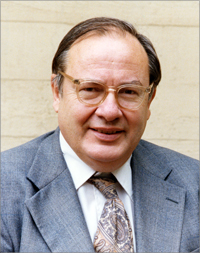
It is our proud office to tend the fleshly tabernacle of the immortal spirit, and our path, if rightly followed, will be guided by unfettered truth and love unfeigned. In pursuit of this noble and holy calling I wish you all God-speed.
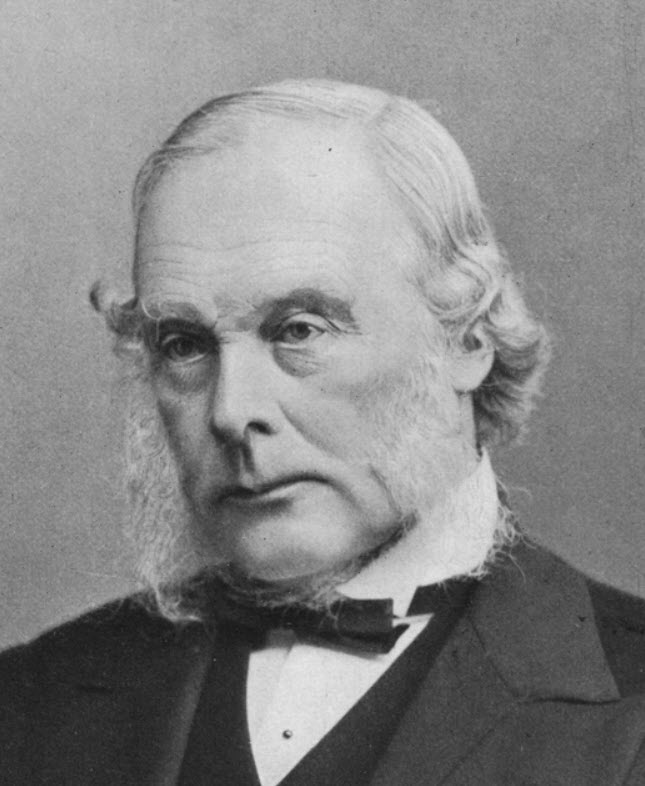
We cannot in any better manner, glorify the Lord and Creator of the Universe, than that, in all things, however small soever they appear to our naked eyes, but which yet have received the gift of life, and power of increase, we contemplate the display of his Omniscience and Perfections with the utmost admiration.
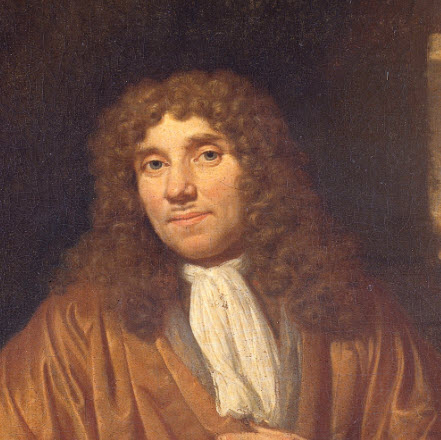
This most beautiful system of the sun, planets, and comets could only proceed from the counsel and dominion of an Intelligent and Powerful Being.
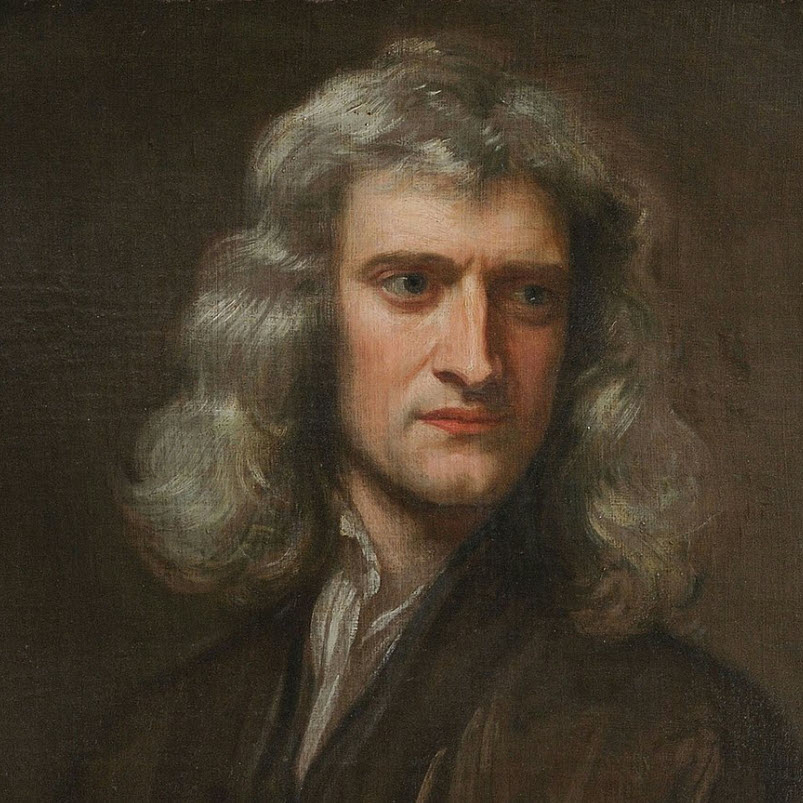
Without God to draw aside the curtain, I would be helpless. Only alone can I draw close enough to God to discover His secrets.
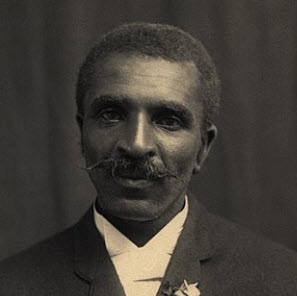
I am also a person of religious faith. I attend church; I sing in the gospel choir; I go to Sunday school; I pray regularly; I try to “do justice, love mercy, and walk humbly with my God.” […] To many people, this makes me a contradiction—a serious scientist who seriously believes in God. But to many more people, I am someone just like them.”
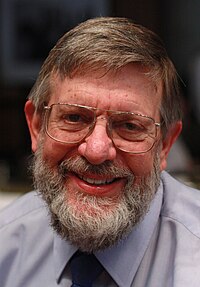
Apes, after all, unlike man, have not produced great prophets, philosophers, mathematicians, writers, poets, composers, painters and scientists. They are not inspired by the divine spark which manifests itself so evidently in the spiritual creation of man and which differentiates man from animals
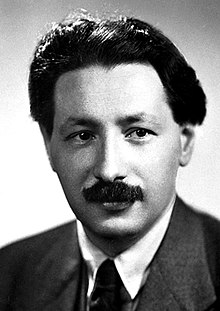
For myself, faith begins with the realization that a supreme intelligence brought the universe into being and created man. It is not difficult for me to have this faith, for it is incontrovertible that where there is a plan there is intelligence. An orderly, unfolding universe testifies to the truth of the most majestic statement ever uttered: 'In the beginning God ... .'
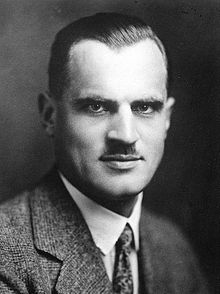
The purpose of science is to develop, without prejudice or preconception of any kind, a knowledge of the facts, the laws, and the processes of nature. The even more important task of religion, on the other hand, is to develop the consciences, the ideals, and the aspirations of mankind.
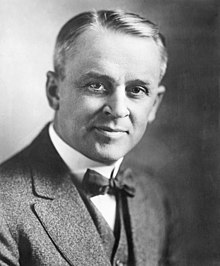
In the first place, a scientist, more than other scholars, spends his time observing nature. It is his task to help to unravel the mysteries of nature. He comes to marvel at these mysteries. Hence, it is not hard for a scientist to admire the greatness of the creator of nature. From this it is only a step to adore God.
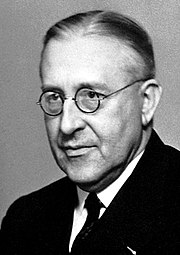
You may fly to the ends of the world and find no God but the Author of Salvation. You may search the Scriptures and not find a text to stop you in your explorations….
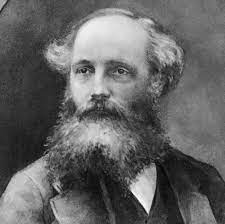
Let nobody be afraid of true freedom of thought. Let us be free in thought and criticism; but with freedom, we are bound to come to the conclusion that science is not antagonistic to religion, but a help to it.
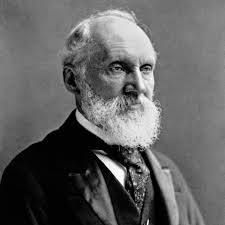
There is a God-shaped vacuum in the heart of each man which cannot be satisfied by any created thing but only by God the Creator, made know through Jesus Christ.
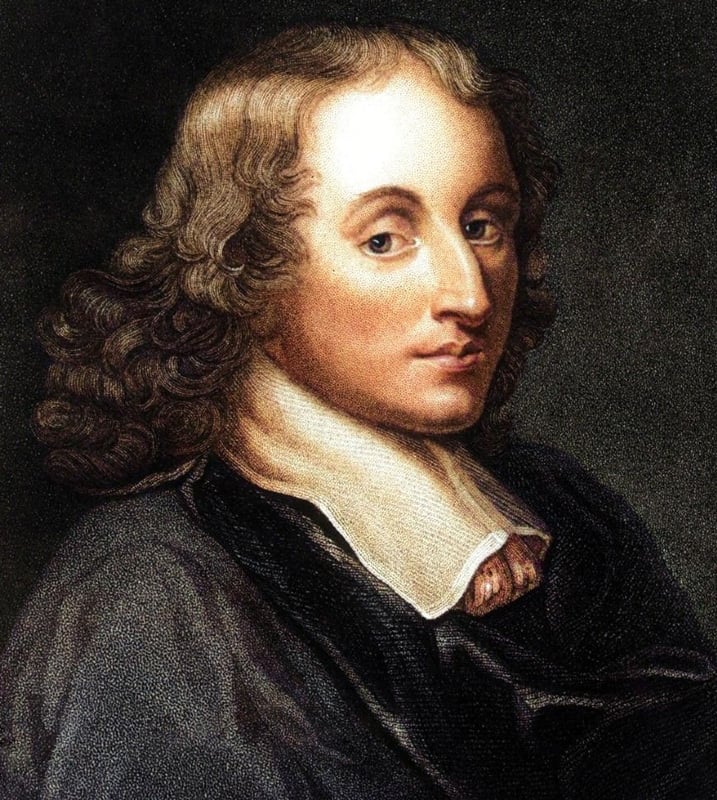
It is God who is the ultimate reason of things, and the knowledge of God is no less the beginning of science than his essence and will are the beginning of beings.
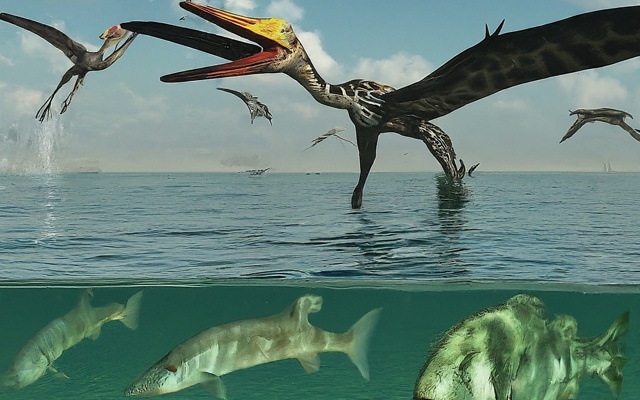
Probable Time Frame ~66 to 50 million years ago
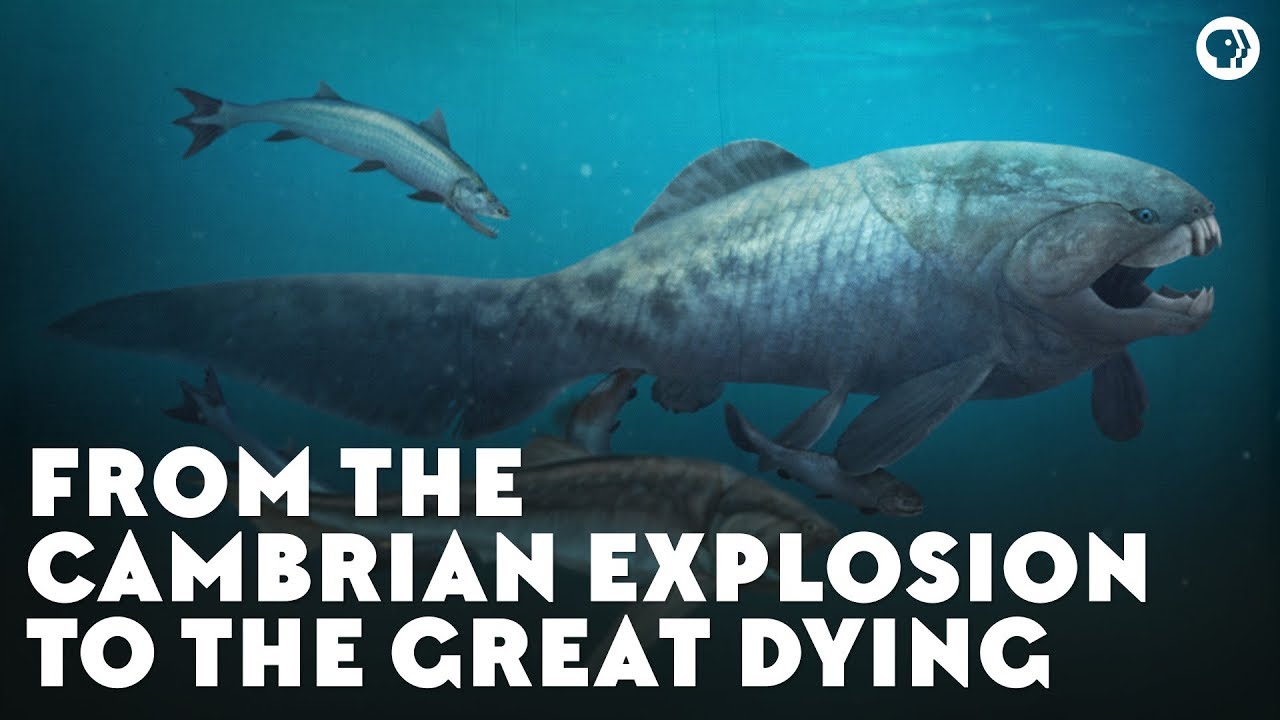
- Cambrian Explosion (~ 540 mya)
- Anthropods, Molluscs (~ 520 mya)
- Tetrapoda (~ 300 mya)
- Dinosaurs (~ 250 mya)
- Mammals (~ 200 mya)
- Flowers (~ 150 mya)
Playlist
6 Videos
11:58
1:26:28
13:21
26:49
2:54